
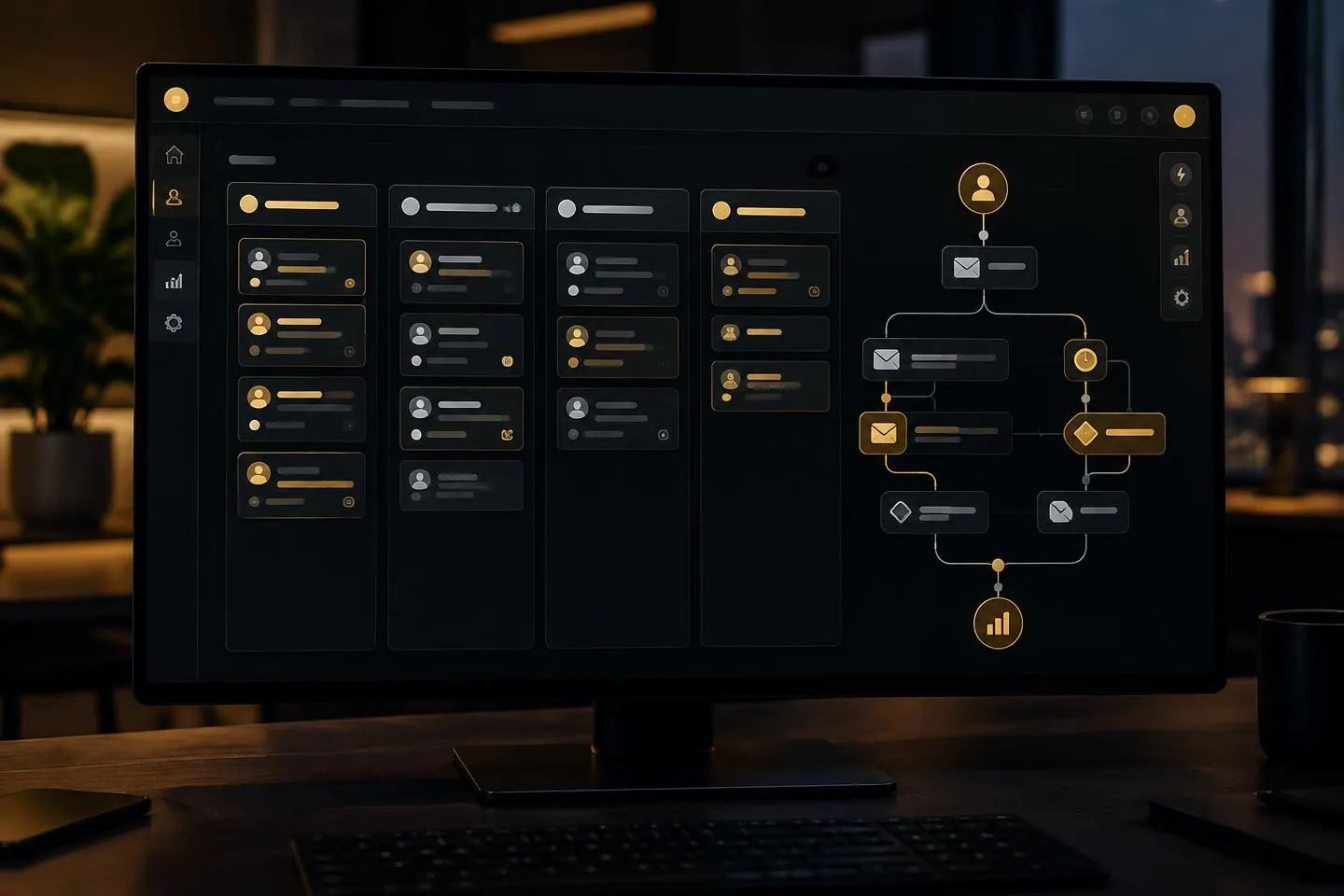
Why flows come before campaigns
Automated flows run continuously and respond to customer behaviour. They are usually the most efficient emails a store sends.
The core five
Start with these and refine over time.
- Welcome series
- Browse abandonment
- Cart abandonment
- Post-purchase
- Win-back
Personalise with data
Use purchase history, product interest and engagement to tailor content. Relevance improves engagement and protects deliverability.
Give each flow a clear job
A welcome series should explain the offer and set expectations; abandonment reminders should address friction without pressuring customers; post-purchase messages should help customers use and enjoy what they bought. A win-back sequence should be relevant to the product's normal repeat-purchase cycle. Do not use the same timing for a frequent consumable and a long-lived product.
Specify entry rules, exclusions and exit conditions before writing copy. A customer who completes a purchase should leave an abandonment flow. Recent complaints, refunds and unsubscribes should affect eligibility. Check the relationship between transactional messages and marketing messages so necessary order updates do not become a vehicle for unconsented promotions.
Protect consent and deliverability
Collect appropriate permission, make unsubscribe options easy to find and respect suppression lists. Configure sender authentication with the sending provider, monitor delivery issues and avoid sending repeatedly to disengaged addresses. Test links, personalisation fallbacks and mobile layouts before launch. Evaluate each flow using purchases, margin and unsubscribe behaviour, not open rates alone, which can be distorted by privacy features.
Muhammad Shaaban
Founder & Digital Marketing Specialist at DX Marketers. Muhammad focuses on connecting search, paid media, websites and measurement to practical business priorities.
About DX Marketers →